This page tries to answer question about surveys and boat and yacht related issues that often cause confusion and debate. Sometimes bar room advice can be so misleading.
if you have a question about surveys, boat and yacht maintenance, structural issues and anything related to these pages, then feel free to call or email and I can update this page with additional questions and answers. Email johnlilley@seasurveys.co.uk with any questions.
I am also a shipwright for fibreglass and timber construction
and undertake structural and cosmetic repairs to GRP hulls and joinery construction for all types if the vessel is located in the Poole- Bridport areas of Dorset. See this page for more.
.

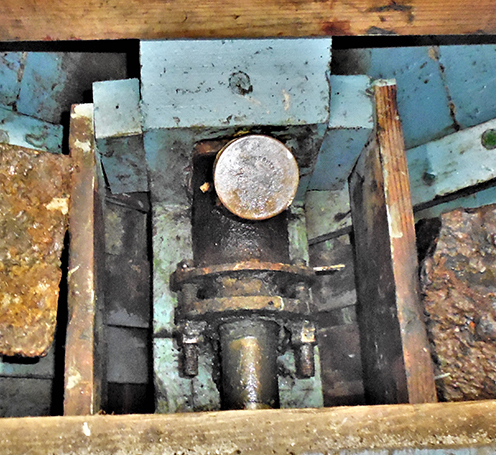
It might surprise many that you should not use graphite impreg
nated grease in stern tubes as graphite grease behaves like a metal in these circumstances with regard to galvanic action. This will quite commonly lead to pitting and damage to the stainless steel shaft so always avoid this type of grease. Either use a specific grease made particularly for stern tubes or simply use a basic multipurpose grease.

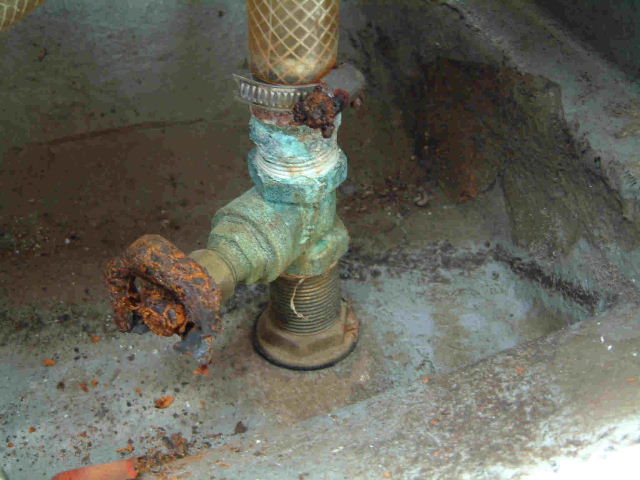
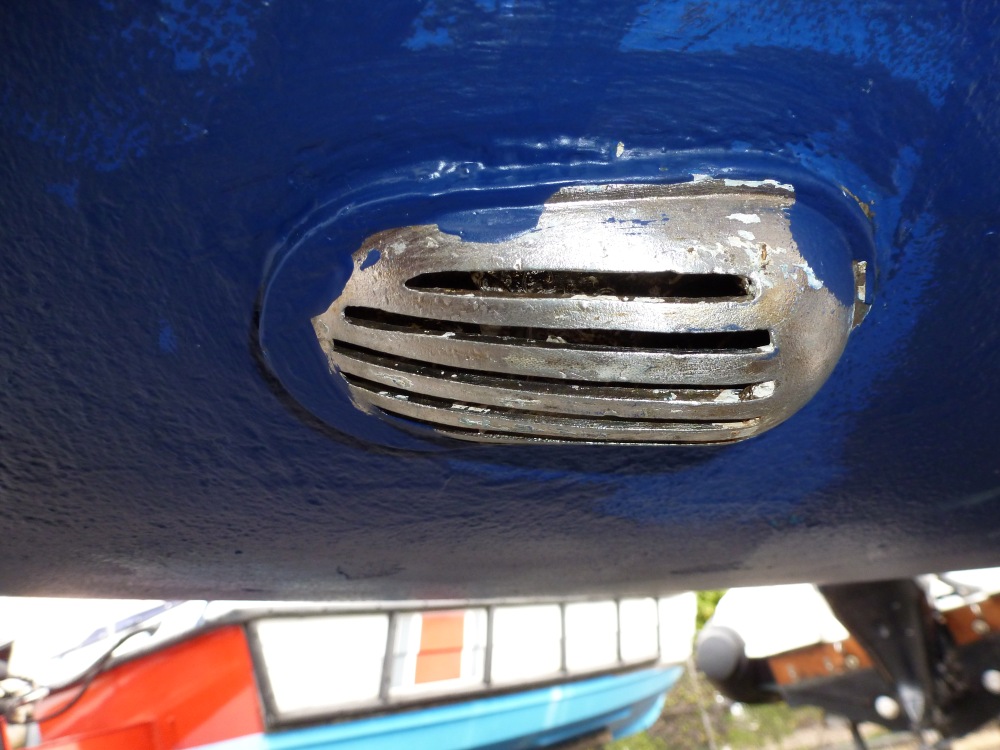
Hmmm.... Thinking about this, the issue that comes up more often than others is underwater skin fittings and sea cocks, not necessarily corrosion although this does play a significan part, but mainly sea cocks that are seized or beginning to seize up. The other issue with skin fittings and sea cocks is that some are in extremely difficult places to access on a regular basis and as such they are usually left on all of the time which means they also suffer from lack of use and start to seize up meaning that if you needed to access and in an emergency they cannot be turned
off.
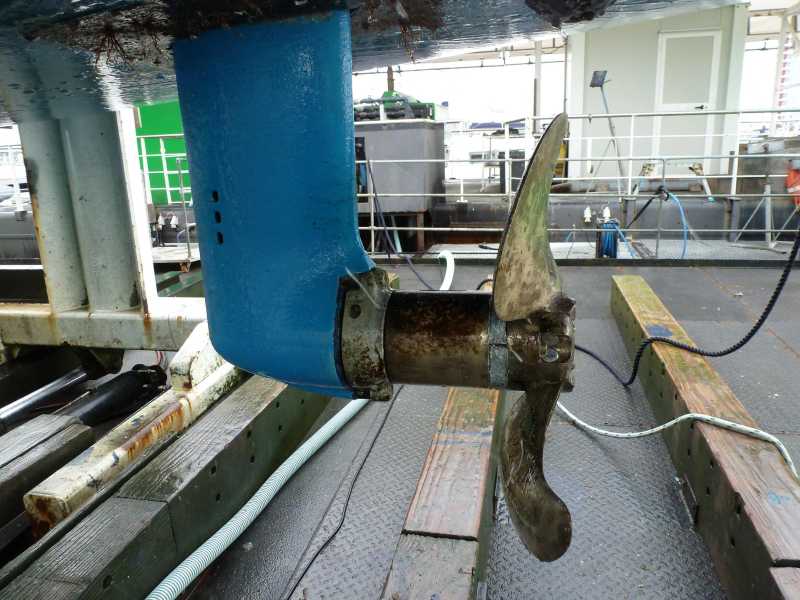
This is not a scenario that anyone would ever want on their own boat yet it can be so easily avoided. Next on the list would probably be Gas Systems in that the flexible pipework is damaged or deteriorating due to age (it really should be replaced after five years, if you look carefully on the pipework there is a date of supply along with the date of the required standard which will be some years before) the other issue with Gas Systems is the installation of the bottle and drainage overboard, occasionally the Gas Storage unit is also in very poor condition. Somewhere high on this list will be the engine installation, it is surprising how many engine installations have pipes and wires literally touching and rubbing against part of the engine. I perhaps look at one in three vessels where fuel pipes in particular are rubbing against part of the engine structure and damaging the pipe with extreme cases of nearly rupturing the pipe. This also happens with exhausts. The rubber exhaust passing close to or through plywood bulkheads and rubbing through on the edge of the bulkhead. A fuel pipe that rubs through will be catastrophic. The other area on engines is the engine mountings themselves which overtime grow soft and gradually the metal parts of the mountings come too close together and start vibrating against each other causing a noticeable rattling as well as upsetting the engine alignment. Sail drive installations have their own issues with water ingress into the gear box which, if remains unseen for a long time will destroy the gearbox and corrosion problems both with the sail drive gaiter steel pressing and the sail drive unit itself. The anodes must be carefully monitored and replaced in plenty of time.
Most fibreglass yachts built up until the 1970s were or what is known as a single skin hull and deck. Simply put that means that the hull is just one thickness of fibreglass. This single skin varies in thickness from the keel to the top of the hull, the thickest part of the hull being at the keel. Majority of vessels had a extremely thick and relatively heavy hull compared to vessels constructed now. They were quite expensive in material and resins. Similarly with the deck and superstructure construction which would have been again, one thickness throughout. In order to resist flexing then this single laminate thickness have to be quite heavy and strong.
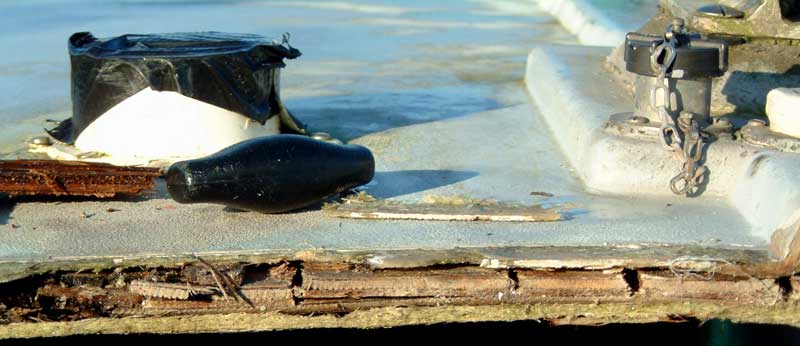
Gradually builders and designers recognized the fact that they could reduce the weight of the deck and superstructure and keep the rigidity very high by introducing a cored deck structure. This uses a thinner single skin of substantially less weight but bonded to this on the underside of the moulding is an internal moulding of similarly relatively light weight but with an air gap between the two. This air gap was then filled with expanding foam or sometimes a balsa wood core was fitted between the two mouldings and all fully bonded together to make one rigid relatively lightweight moulding. This was very good and resisting any flexing and had ultimate rigidity without the excess weight that would have been needed handed been a single skin. This type of deck structure is common on virtually every vessel from the the 1900s. Some builders like Westerly Marine originally used plywood panels bonded to the underside of the deck in areas where there was a risk of deck flexing. The Westerly Centaur had plywood panels bonded to the underside of the foredeck. The downside of this fully cored type of construction is that if water finds it's way between the two skins then it will eventually rot and the balsa wood and cause any foam within to absorb water and deteriorate. Once this deterioration has occurred then the three components of the cored deck become separated and the single outer skin which is the deck that one walks on, starts to flex because it is much lighter than the original stronger single skin. The repair of this can be extremely difficult and, in some cases more expensive than the value of the vessel.
This photo shows an early cored deck structure that has completely failed
Builders have been reticent to incorporate the structure into the hull structure however, it is beginning to become evident from some builders now. It is particularly common in parts of the bilge construction where the two mouldings, internal and external are bonded together with a structural foam core further bonding the two skins together.
When a vessel is surveyed then hammer testing is undertaken at the beginning to first establish whether the deck and hull are cored as this can be identified by hammer testing and secondly whether there is any obvious core failure which again is easily detected by hammer testing. Finally moisture meter readings would be taken, particularly on deck to isolate the areas of moisture ingress into the core.
Rudder failure is obviously very serious and catastrophic in many instances. There are many reasons for these failures, some of them stem from the original construction and some stem from accident damage.
Fibreglass rudders are predominantly made in one way, the fibreglass blade is moulded in two halves, similar to two trays that are put together rim to rim. The rudder stock is fitted into the void between these two trays and there you have the basis of the rudder. Where the stock enters the rudder mouldings the stock will generally have some form of tang welded on to the stock at 90°, perhaps two of these or more in some cases. These tangs are then bonded to one of the inside of the tray mouldings.
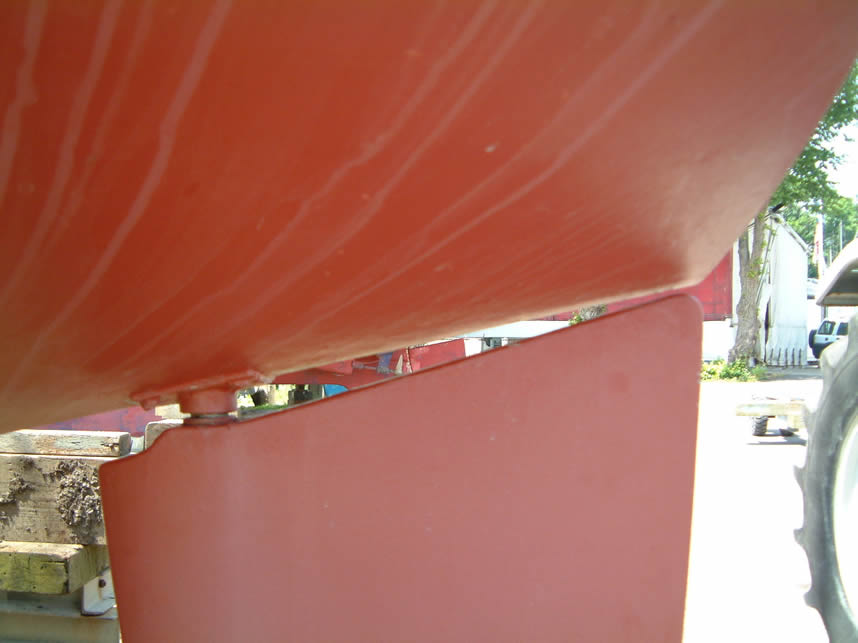
These photos show a bent rudder stock and a damaged rudder at the rudder stock point of entry into the rudder
The other side of the moulding (the tray) is then bonded to the other tray. That basically is your rudder. The difficulty arises with the type of rudder stock and the metal used and the type of tangs welded to the rudder stock. The builders made every attempt to fully waterproof the rudder but it is inevitable that water will enter the rudder after a few years. Once seawater is within the internals of the rudder it can cause corrosion internally and unseen.
One builder many years ago used a mild steel rudder stock with mild steel tangs welded to the rudder stock. Inevitably the water got in and corroded the rudder tangs and the next thing that happened was the rudder stock merely went round within the rudder without moving the rudder and in some cases the rudder actually fell off. For many years most builders used stainless steel for the tangs and for the rudder stock but in recent years some of the European builders have used heavy weight alloy rudder stocks with alloy tangs. Unfortunately these large diameter rudder stocks started showing signs of severe corrosion at the exposed part of the rudder stock between the hull and the top of the rudder. In some cases the corrosion was so significant that the top of the rudder split open because of the corrosion deposits causing expansion. This has resulted in a necessary replacement of the rudder in some much later boats than might be anticipated after I might say, a considerable cost.
The other issue with rudders is those that are not protected with a skeg have been damaged by coming into contact with the bottom or heavy objects thus causing the rudder stock to bend and in some cases, structural damage to the hull at that point.
When surveying checks are made on the alignment of the rudder to make sure it has not been bent, further checks are made to make sure that there is no separation of the two halves of the rudder caused by failure at the point where the rudder stock enters the rudder and the top and cheques as best as possible to see if there is any relative movement between the rudder and the rudder stock which might suggest there is internal bonding failure of the rudder tangs or corrosion of the rudder tangs.
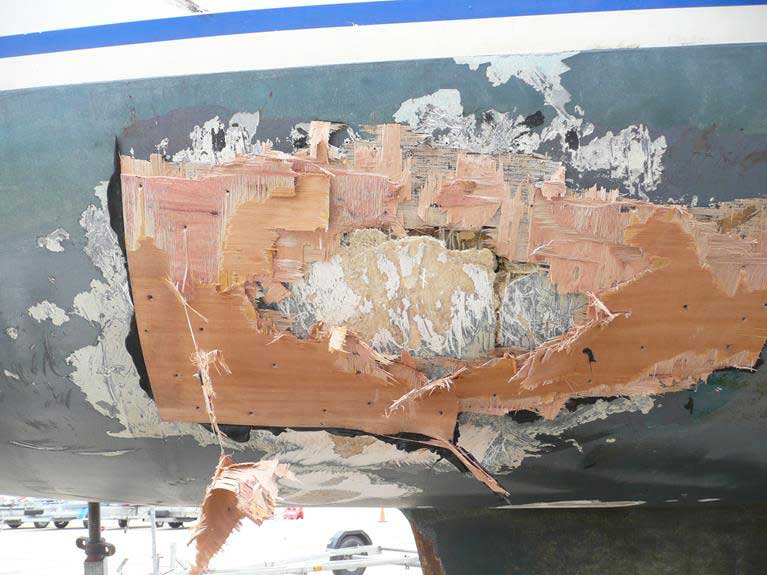
Well, by the time that you read this, the initial emergency is over now I hope and the boat is safe and secure. If that is not the case then the initial thing to do is to secure the vessel both in ensuring she is watertight and safe and secure on her mooring or if she is ashore, make sure that no further damage can occur.
If there is a possibility of underwater damage that cannot be seen then initially you must arrange for the vessel to be lifted out of the water as soon as possible. The insurers will pay this cost if it reduces the risk of a higher claim if the vessel was to sink.
If it is accident damage caused by another vessel then take photographs of the other vessel and as much information as is possible with regard to ownership and contact details. Seek out witnesses. You may well find that in busy areas there will be CCTV cameras operating in places such as Yarmouth Harbour and marinas.
If there are no witnesses and you were not present when the incident occurred your choices are somewhat limited that initially contact your insurers just to tell them that your vessel has been damaged. They will ask you the details and almost certainly ask you to get a quote for repairs. Most insurers ask for at least two quotes.
If the location of the vessel is in the Poole, Weymouth or Portland areas then feel free to contact me and I would be very happy to inspect and assess the damage for possible repair/estimate.
Outside of these areas it is generally not practical of me to quote for repairs because of the distance involved however, if the damage is extreme and there are concerns about the cost of the damage vs. the value of the vessel which is quite common on older vessels then the insurers should send their own assessor down however, they are somewhat reluctant to do that initially until they have received estimates. These unfortunately, tend to take some time and you may find it quicker to contact me directly and see if I can help in any way to hasten things on, perhaps by carrying out a limited inspection to confirm that the damage is severe and bypass all the rigmarole of getting estimates and waiting for them to be compiled which, in the event of a serious injury to the vessel might mean that the repair estimates are not comprehensive enough. The easiest thing is simply to call me and have a conversation about things and I will do my best to advise on the situation at that time.
Generally no, it is not illegal but perhaps not ethical. However if you required some joinery made or something not related to the survey report then there would be no issue. If I have not surveyed the vessel then more than happy to estimate the cost of a repair or improvement. Generally the area of shipwright work is limited to Poole, Wareham, Weymouth and Portland. To see the extent of repairs and improvements then check this page out. One advantage of being a shipwright is the experience to be able to advise how a repair or improvement noted on an inspection can be undertaken as I have actually done the majority of repairs that might be needed. On every report w
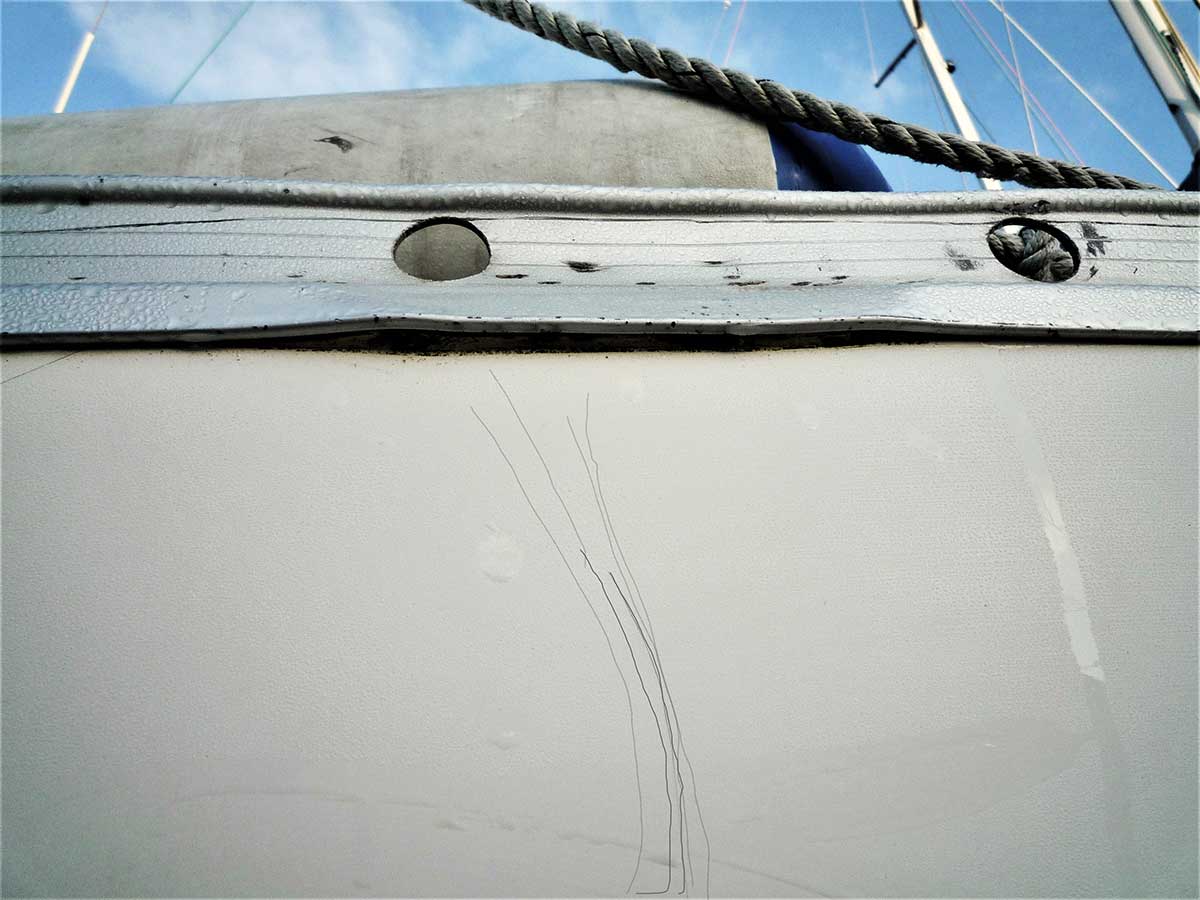
here repairs are advised then there is always a detailed overview on how the repair can be done, This is very different to a surveyor simply telling the client a repair is required. The repairs that can be undertaken extend from structural repairs on timber masts to hard spot fractures on GRP hulls where an invisible repair is paramount, to damaged timber rubbing strakes and hull planking repair on timber yachts.
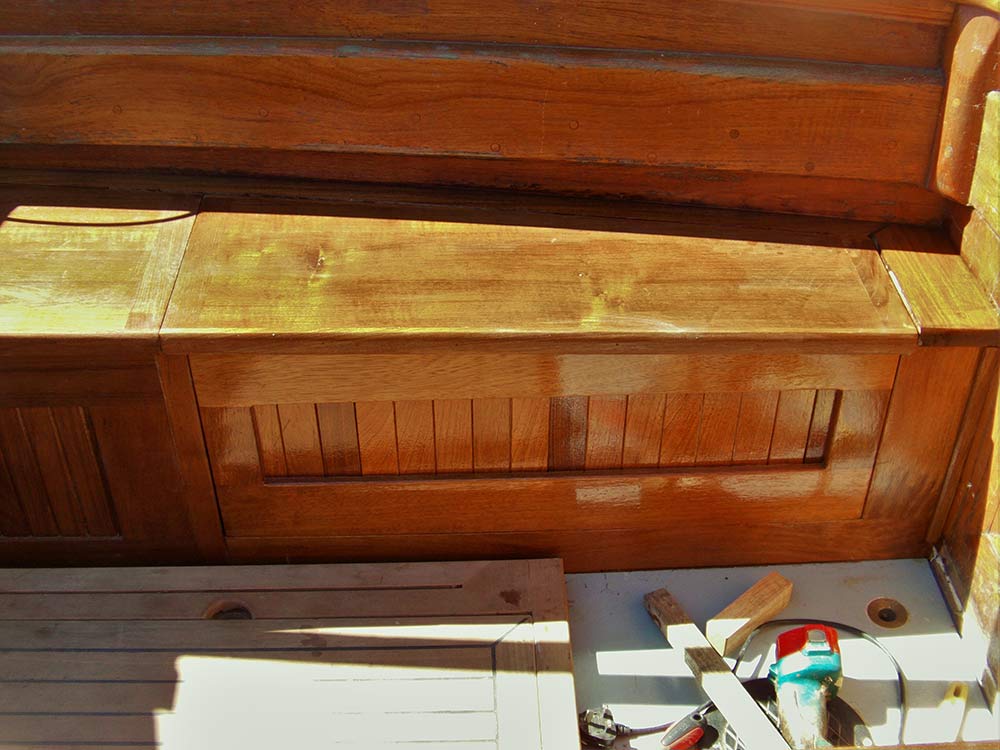
New cockpit nearing completion on timber Wandered Class
There are a few things that are not covered in most surveys , one of these is the engine . In most cases the engine installation will be checked for faults such as engine mountings or casting corrosion or obvious oil or water leaks . the engine will generally be turned over by hand to see if there is any compression there , this is particularly important in a vessel that has not been started for a considerable time to make sure that the engine has not seized with lack of use . But unfortunately particularly with a vessel that is ashore , it would not be possible or feasible to start and run the engine and check the gearbox for correct working . In many cases, it is likely there will be some previous information on the engine but occasionally the engine has to be taken on trust unless you get a specialised mechanical inspection where oil analysis and other detailed tests on the engine are undertaken . However, this is not particularly common unless of course it is on a power driven vessel with considerable size engines which ultimately can represent a a significant proportion value wise of the complete vessel in which case you may feel a separate engine engineers survey would be of value .
The other area that is not commonly closely inspected is the mast above deck level . This is eyed from the deck for any obvious distortion or wall damage, but areas of corrosion around terminals would be virtually impossible to see . A judgement is made on the condition of the mast based on the areas that can be accessed But this is not a definitive judgement and most vessels are surveyed with the mast in position , there is always paragraph in the report suggesting that the mast is removed from the vessel for later inspection . This would normally be acknowledged by the insurance company as a necessity at some stage . Of course, this can be somewhat modified if the vessel has been subject to new rigging in recent years as there would have been some sort of professional inspection at that time .
Electronic equipment is notorious for unpredictably and particularly on vessels that have not been used for some time, electronics can misbehave . Additionally, electronic instrumentation cannot really be checked in real life situations as most vessels will be ashore for inspection so unfortunately it is only possible to switch on the instrumentation and basically see if it appears to be functioning . for the best advice I am able to give is to never pay a premium for electronics that have no guarantee as electronics nowadays do seem to have a short lifespan and if they do not go wrong in that short life span they certainly become outdated relatively quickly . The main issue with this type of installation is the environment they are operating in and many instruments now have internal memory batteries which can ultimately fail and in some circumstances leak into the circuitry boards and damage the instrument sometimes beyond repair .


Talk to me.
So many professional people can be so difficult to approach and when you speak to some, they can seem very aloof.
I guarantee you will not be disappointed if you take the time to call or email.
Free advice
More than happy to discuss any issues you may have about boats or surveys.
I will always try to offer sound advice free of charge without any financial strings attached.
If I think i can save you money on insurance surveys I will try there are always alternative options on insurance surveys that many surveyors are reluctant to tell you.
I also own a boat
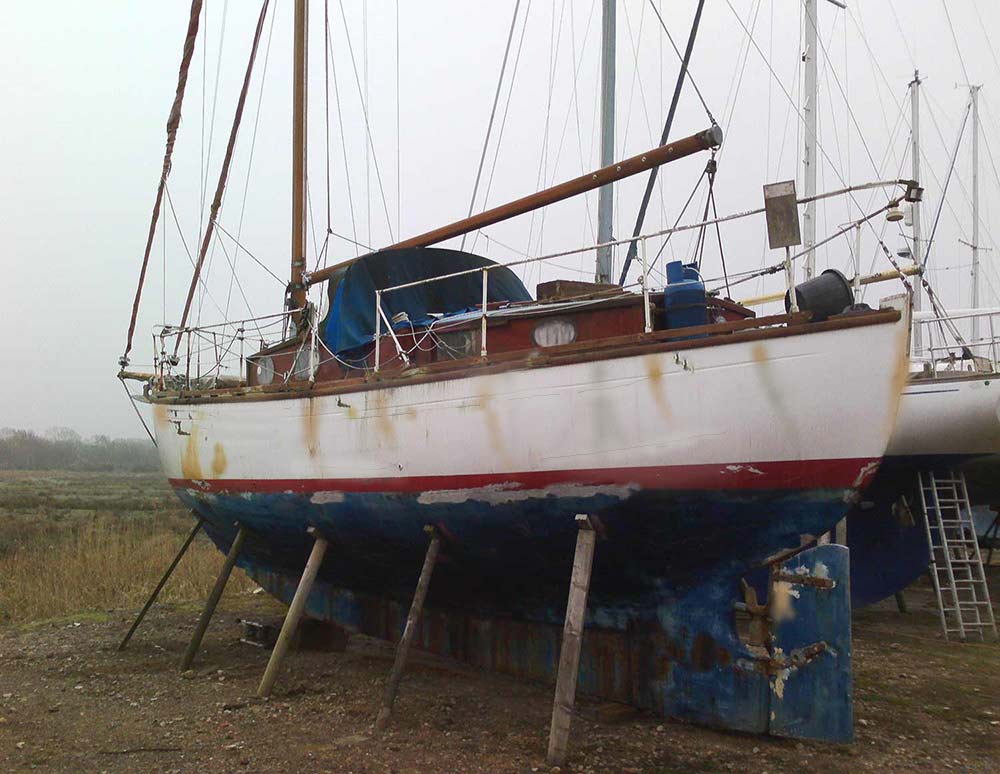
Dalrymple is a 12 ton Hillyard that I have owned since 1996. I know the problems timber boats can suffer from.
.jpg)
I also know how to repair them and can undertake many of these repairs. This means I can identify these problems on other timber boats.
This knowledge on how to repair all types of vessel comes from the experience of actually working on both timber and GRP yachts and boats and undertaking these repairs professionally.
Shipwright work and boat repairs to GRP and timber vessels in the Dorset areas of Poole, Wareham, Weymouth and Portland.
Call to discuss
Links to useful pages on this site
Home
Yacht surveys
Yacht surveys timber and general info
Fishing vessel inspection for the MCA
Survey faults and photos
Shipwright info
More contact info
PDF Articles on all subjects
Links to useful sites.
Selling a boat tips
Repair Timber and GRP boats
Buying a Boat
Selling a boat
Local news from the South
Save money on insurance surveys
How to use a moisture meter
Moisture meter alternatives
Osmosis article pdf.
Timber yacht surveying.
Anodes on timber hulls
Steel yacht problems surveying
Buying through a broker
Survey faults commonly found on all boats
Advice on GRP repairs
Advice on timber yacht construction and repair
Advice on selling your boat
Quick contact form
Working with, and uses of wood for all vessels.
Need more help?

A Lifetime around boats.
I have been professional marine surveyor for 30 plus years. I am an appointed MCA surveyor working on behalf of SCMS which services the fishing community.
The MCA require all fishing vessels, new or existing to meet with a minimum standard.
Fishing vessels have to be surveyed for build quality at certain stages during vessel construction.
Further inspections regarding safety and seaworthiness throughout their working life are also required.
Fishing is considered one of the most dangerous occupations.
The MCA survey Standards are demanding.

A lifetime around boats and construction.
My background comes from mechanical engineering and the paint spray industry.
Early 70s I gained experience designing and building the GRP Magician class sailing dinghy.
This was a one-off design that was built to compete with the Mirror Dinghy.
This led to a greater understanding of GRP as a material, and has proved a great advantage in assessing modern boat building methods, and the pitfalls of poor design and building controls.
We are reputable marine
surveyors with professional indemnity and public liability Insurance.
All yacht surveyors should offer you this valuable protection although due to the prohibitive cost of this insurance, not all do.
We have a reputation of providing an affordable comprehensive service that is second to none.
I have hundreds of surveys on file
Call me to have a no-obligation chat about your potential purchase or problems with your own boat.